The Spanish coast, checked before you go
Beaches and coves across three coastlines, researched one at a time — what the shore is actually made of, whether you can park, and the seasonal rules nobody tells you about.
Three coasts, and the rules that govern them
Each region works on its own logic — wind, access, protection, crowds. Start with the ranking, then read the individual guide before you drive anywhere. The practical guides cover the rules that apply the length of the Spanish coast.
Alicante
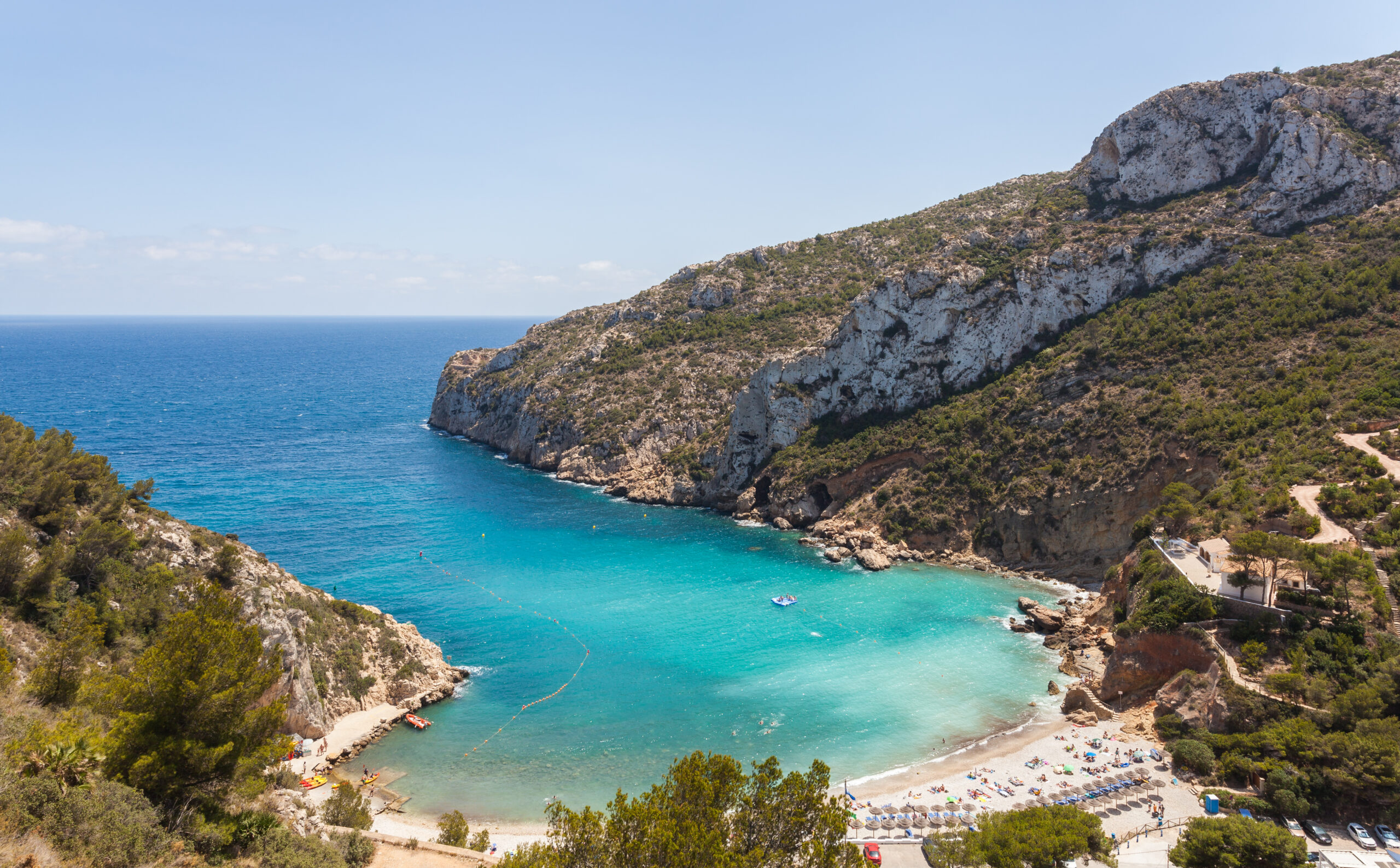
Turquoise pebble coves in the Marina Alta, long urban sand in the south, and an inhabited island with its own marine reserve.
See the 13 best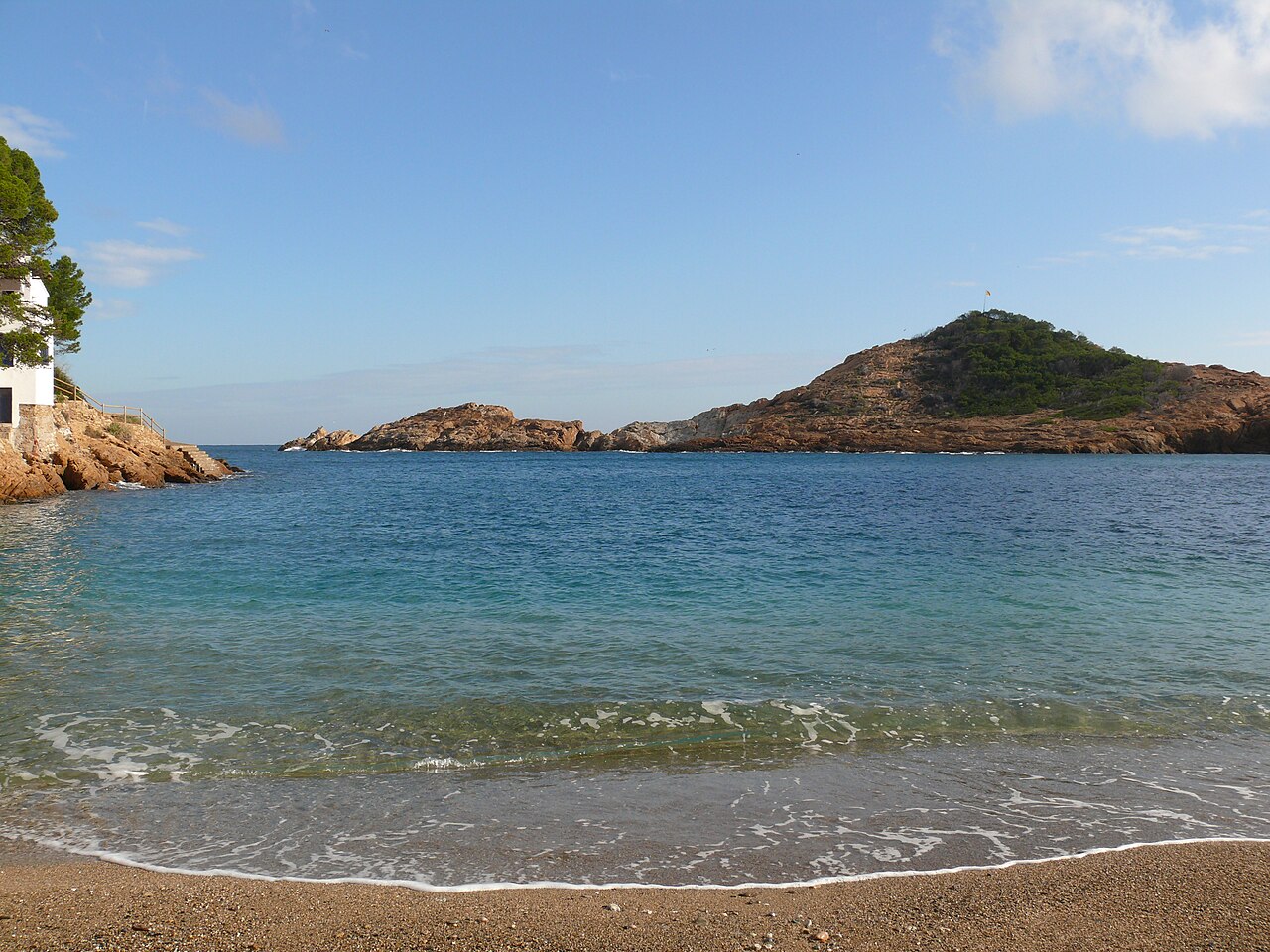
Costa Brava
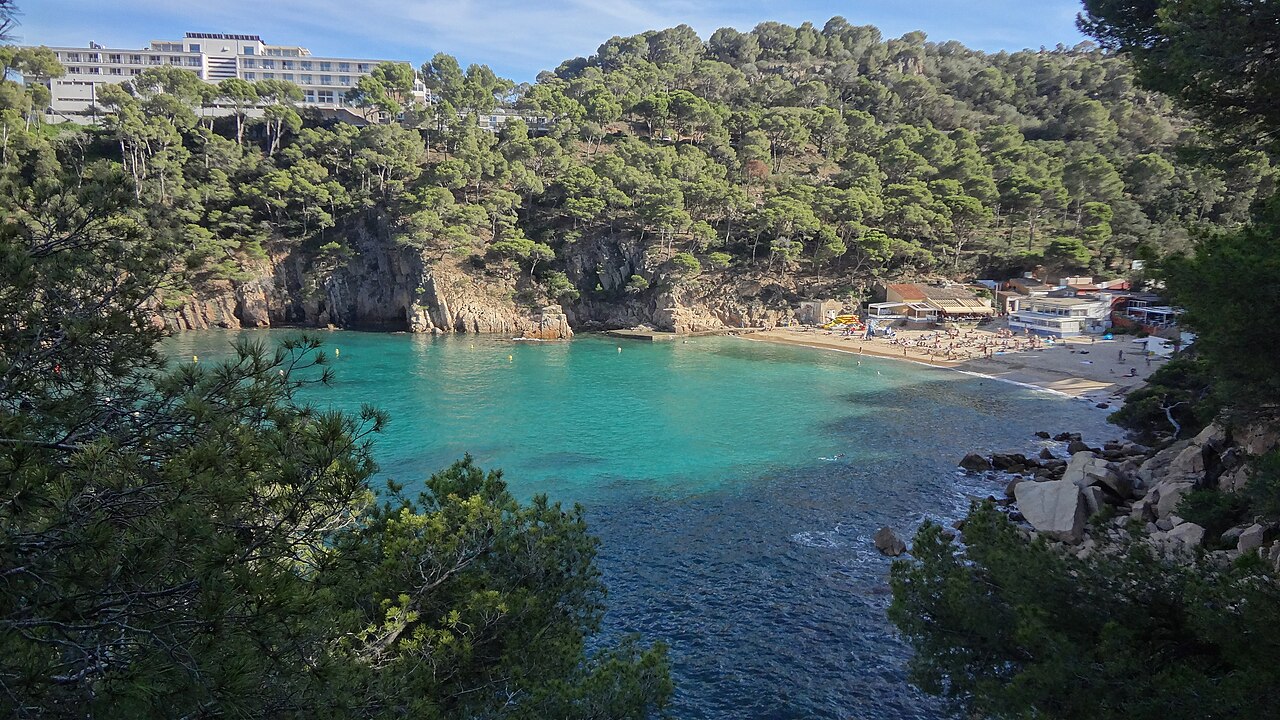
Pine cliffs, fishing hamlets and a network of camins de ronda that reach coves no road ever will.
See the 15 best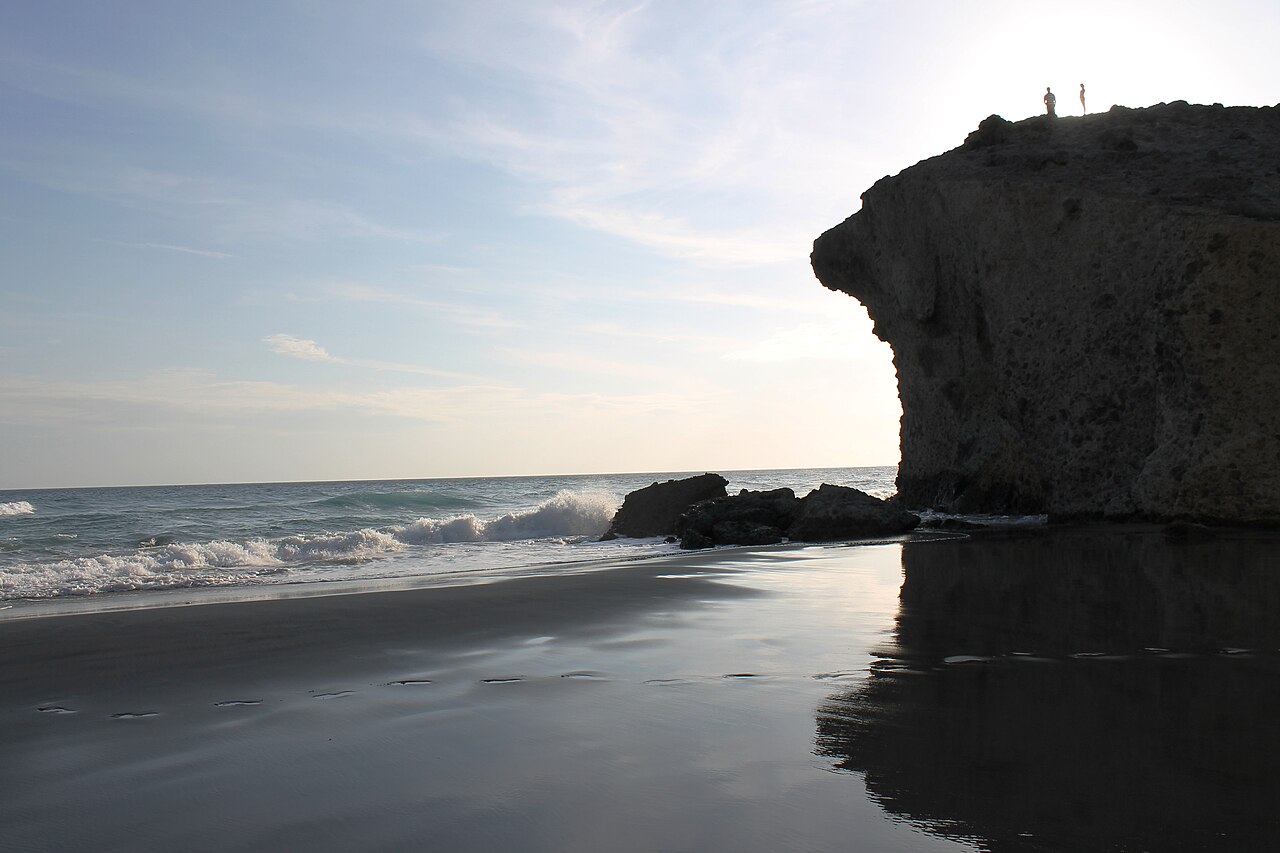
Andalucía
Volcanic desert coves in Cabo de Gata and Atlantic dune systems on the Costa de la Luz.
See the 10 best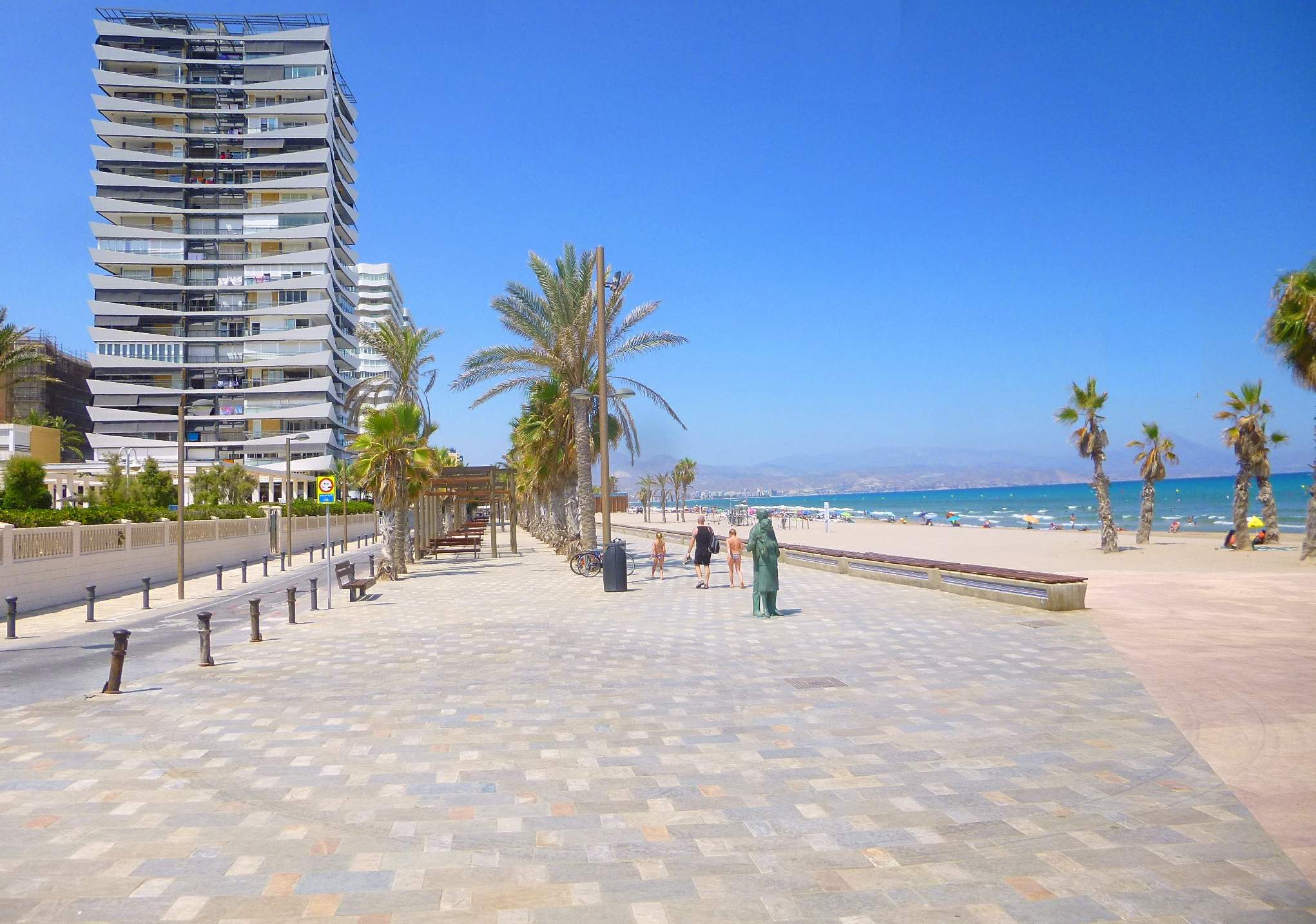
Practical Guides
Capacity limits, parking charges, dog rules, warning flags and what the Ley de Costas actually guarantees you.
Read the rulesSix beaches with a story attached
Not the prettiest six — the six where something genuinely happened.
 Roses
Roses
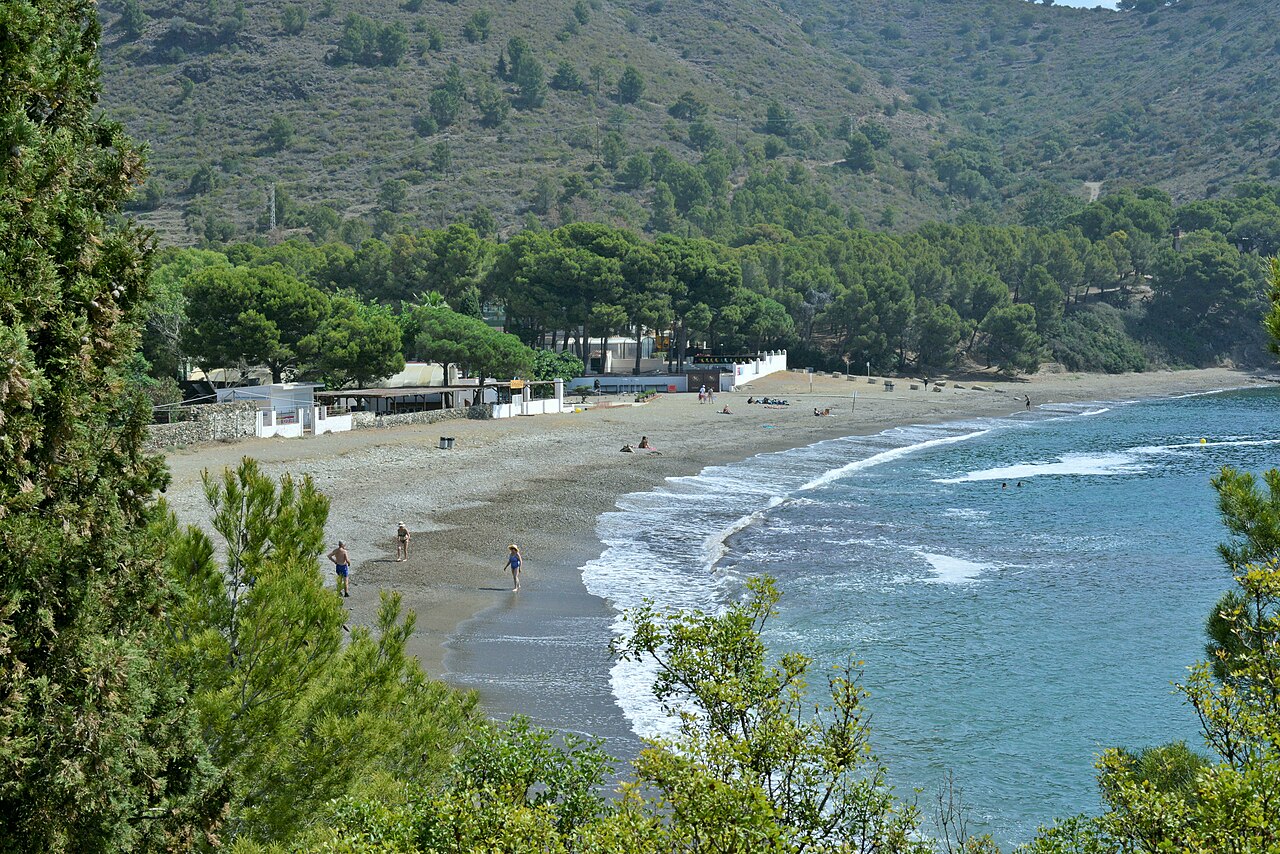
Cala Montjoi
The cove where elBulli stood — and reopened as a museum in 2023. In July and August you cannot drive down here at all between 10:30 and 16:00.
Read the guide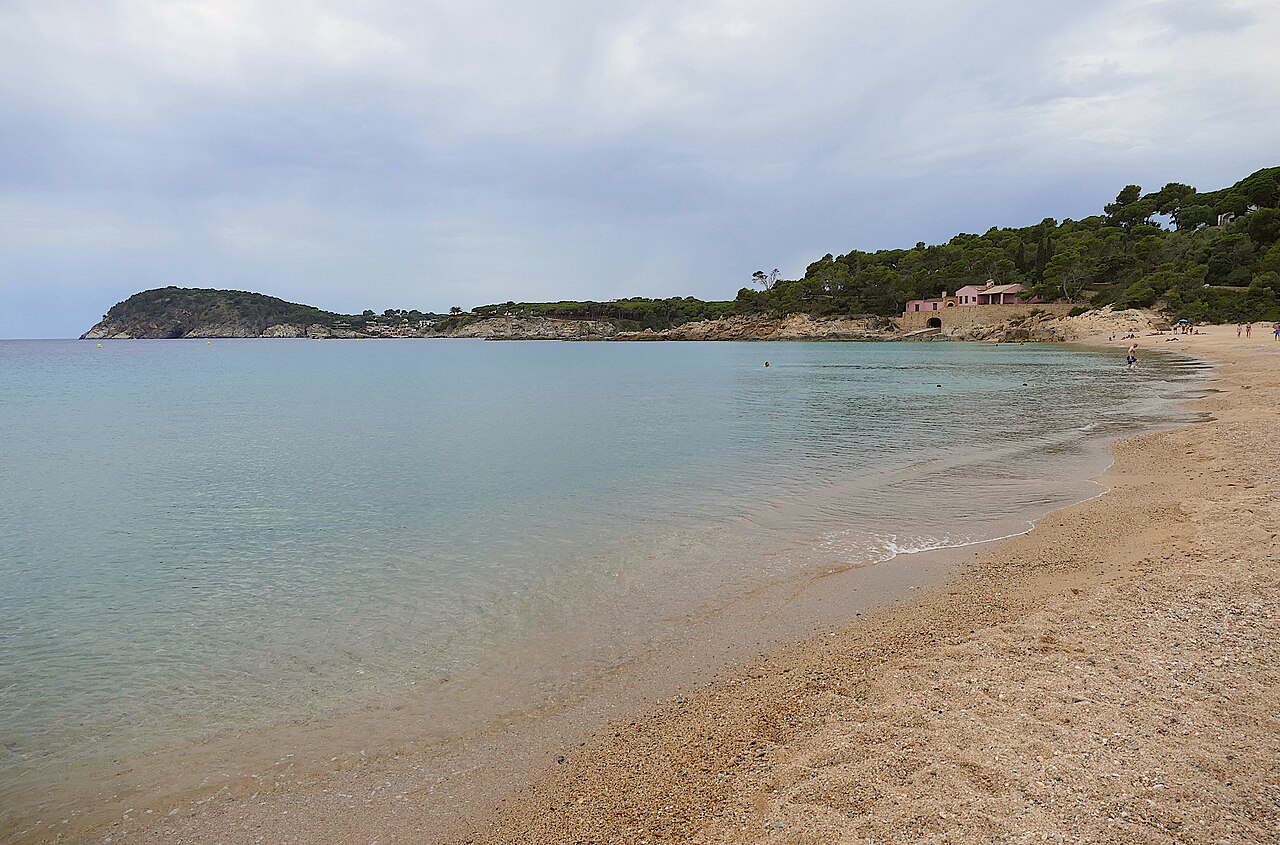 Palamós
Platja de Castell
In 1994 the town voted on whether to build on it. Seven in ten said no — which is why there is a pine wood here instead of a golf course.
Read the guide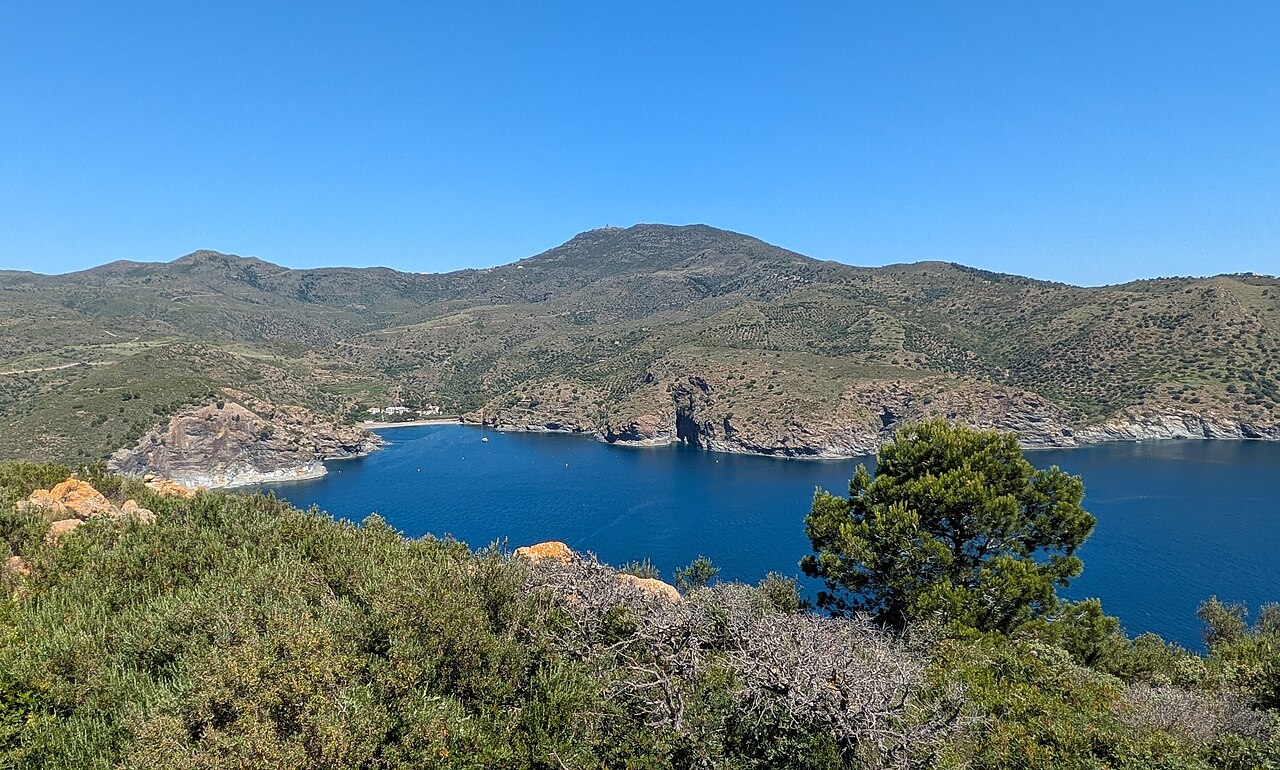 Cap de Creus
Cala Joncols
Six kilometres of dirt track, one family since 1955, and a cellar of wine ageing on the seabed of the bay since 2009.
Read the guide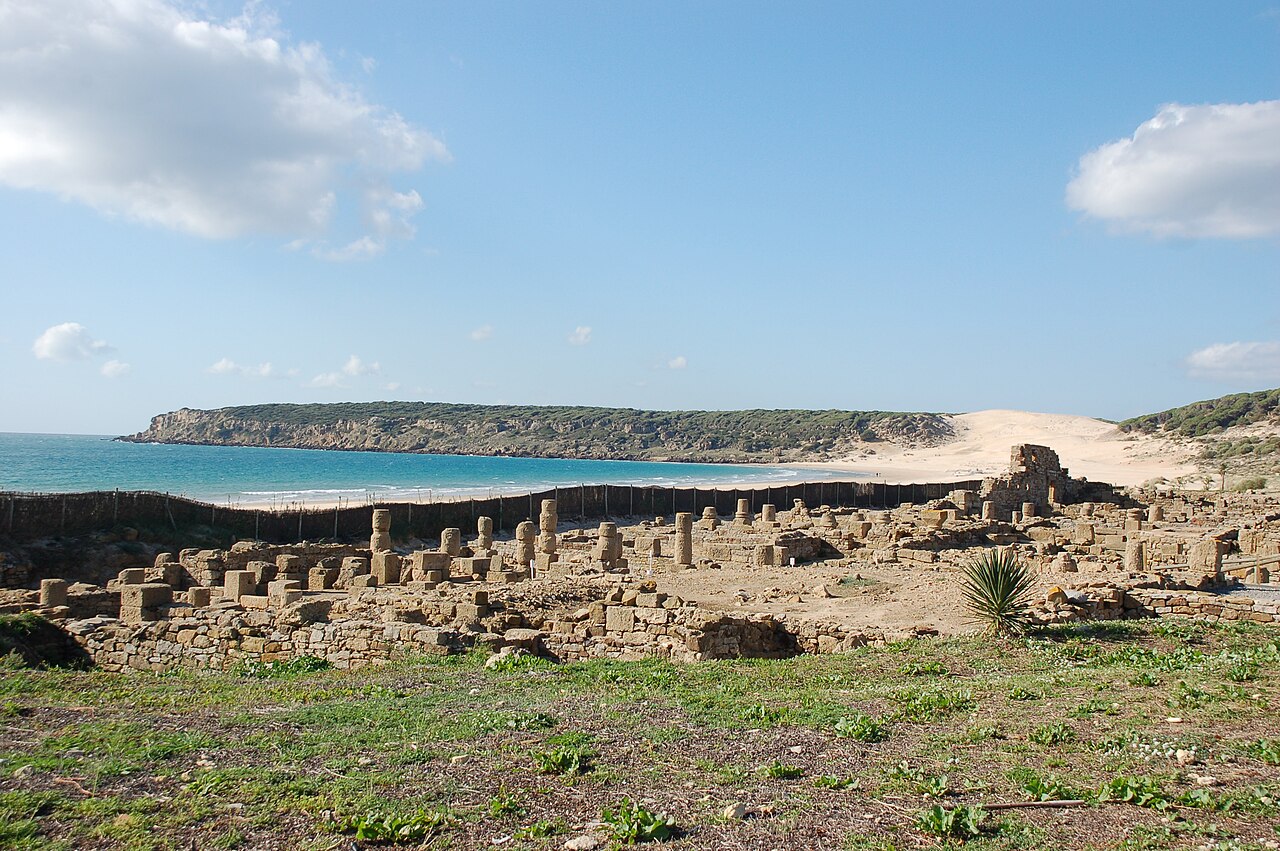 Tarifa
Playa de Bolonia
A 30-metre dune swallowing a pine forest, and at its foot a Roman town that exported garum across the empire.
Read the guide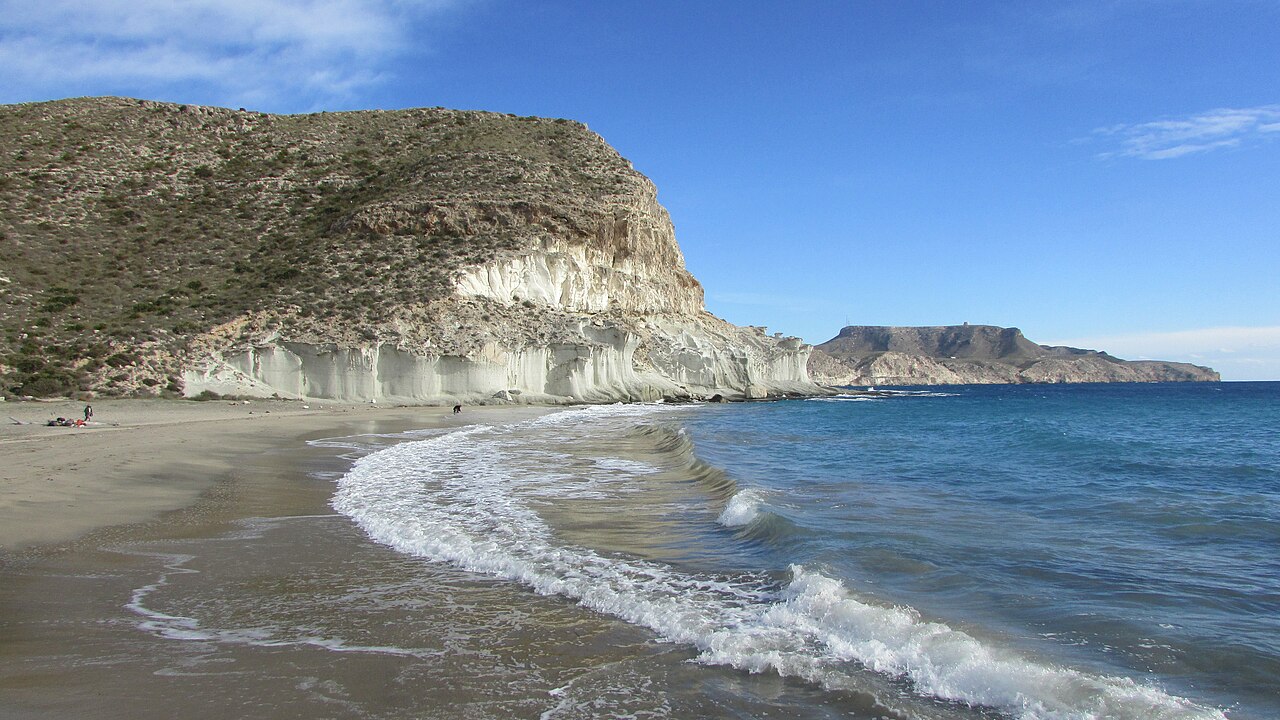 Cabo de Gata
Cala de Enmedio
Fossilised white dunes around water that barely looks real. Forty minutes on foot from Agua Amarga, with no shade the whole way.
Read the guide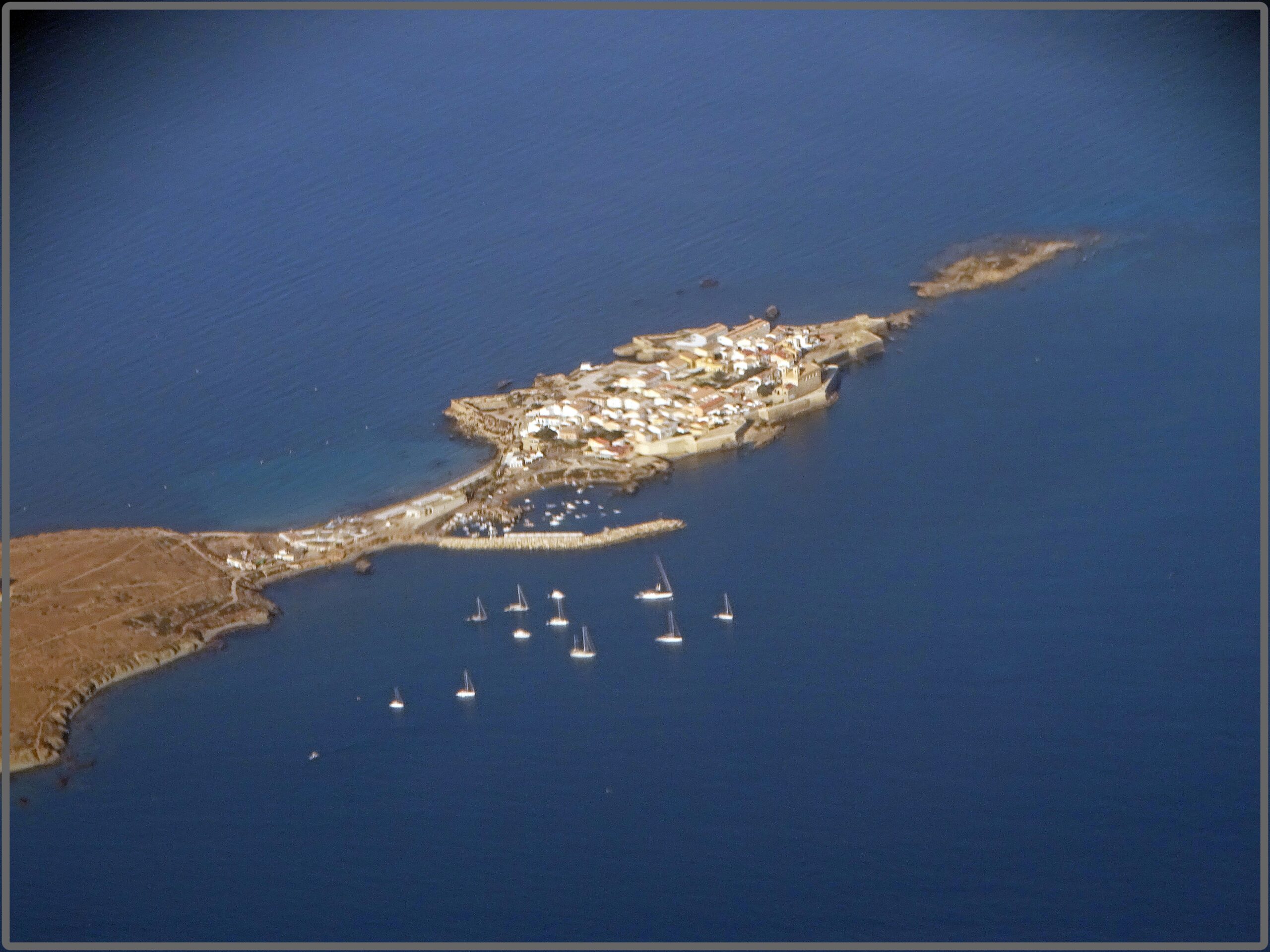 Alicante
Isla de Tabarca
A walled eighteenth-century village, sixty permanent residents and Spain’s first marine reserve, declared in 1986. Boat only.
Read the guideWhere the information comes from
A lot of what circulates about Spanish beaches is copied from other websites and has been wrong for years. Here is what we do about it \u2014 and you do not have to take our word for any of it. How We Verify sets out every register, law and authority we work from, with each one linked. Corrections is a dated public log of what we have got wrong and fixed.
Official sources first
Town halls, regional tourism registers, natural park authorities and heritage inventories — not other travel blogs.
We correct what is wrong
Beach lengths, tide claims on a sea with almost no tide, closed buildings still listed as open, a marine reserve that does not legally exist. When a figure does not hold up, we say so, explain why, and publish it.
Every photograph is licensed
All images are Creative Commons or public domain, with the photographer and licence credited in each guide. When a photo shows somewhere else, the caption says so.
Nothing is paid for
No sponsored placements, no paid rankings, no affiliate deals with the hotels and restaurants mentioned. Conditions change — always confirm with the town hall before travelling.
Latest guides
The most recently published beach guides on the site.
-
Levante, Poniente, Tramuntana: Choosing a Spanish Beach by the Wind
Levante, poniente, tramuntana, garbí. Spanish coastal winds have names because they decide, more often than caps or flags or awards, whether the beach you drove to…
-
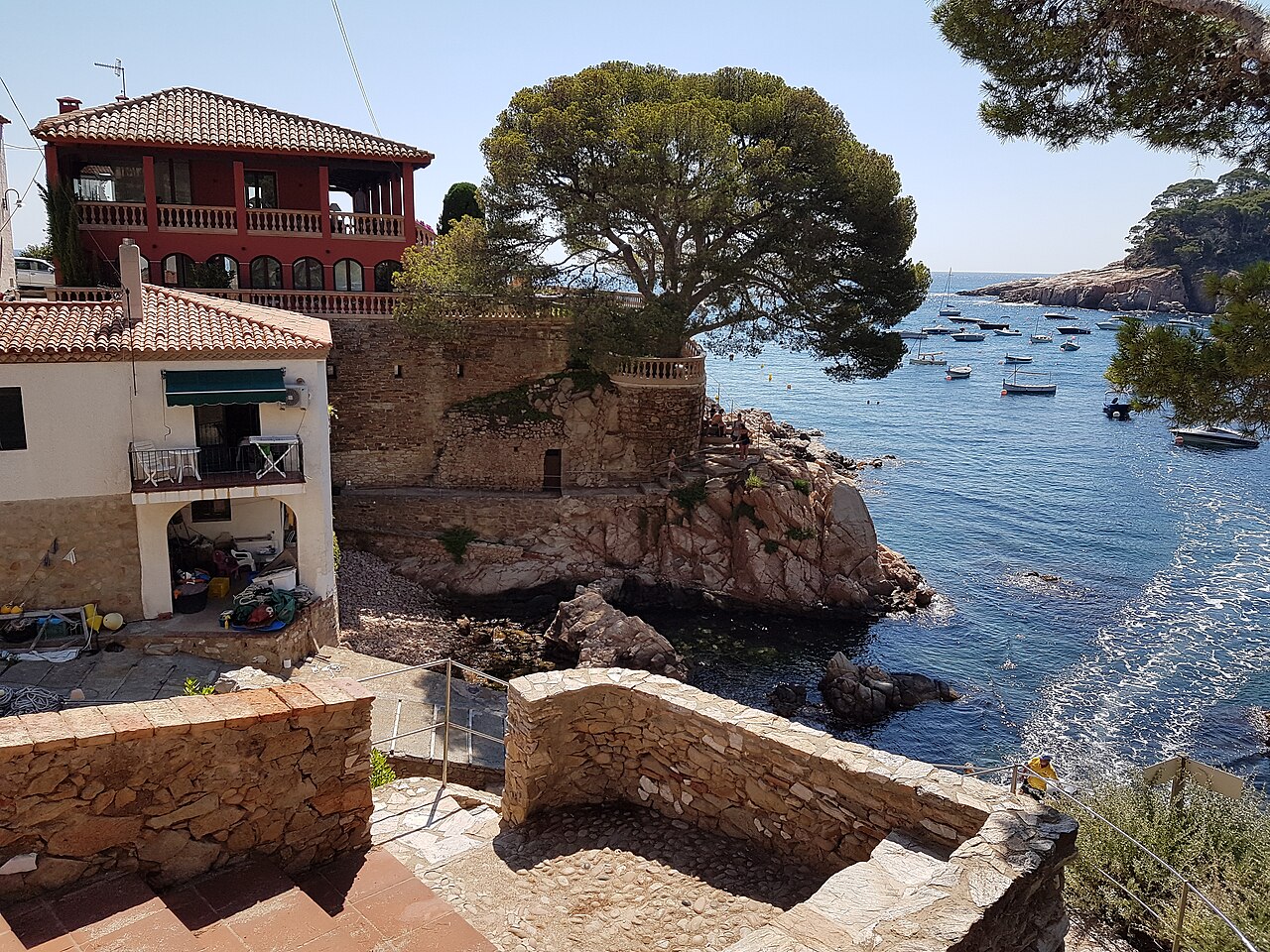
The Camins de Ronda: Walking Between the Costa Brava Coves
The camins de ronda are not scenic footpaths that happen to be old. They are a legal servitude made visible, and on much of the Costa…
-
Beach Warning Flags in Spain: What the Colours Mean, and Who Is Watching
Green, yellow and red are near-universal. Everything else on the mast is invented by the town hall. And the flag describes the water, not whether anyone…
-
Cabo de Gata Beaches in Summer 2026: Roads, Shuttles and the 399-Car Barrier
The Cabo de Gata beaches west of San José are capped at 399 cars from 20 June to 27 September 2026, and the barrier closes on…
-
The Ley de Costas: Why Every Beach in Spain Is Public, and What That Does Not Mean
The Ley de Costas makes every beach in Spain public land that nobody can sell, fence or charge you to stand on. It also says nothing…
-
Dog Beaches in Alicante 2026: The Rules, Municipality by Municipality
Ten beaches in Alicante province are signed for dogs — published counts disagree on whether there is an eleventh — and dogs are banned from almost…