Costa Brava
The Costa Brava earned its name honestly: a rugged coast of pine cliffs, fishing hamlets and coves that no road will ever reach. What makes it unusual is the camins de ronda, the coastal paths that link one cove to the next and are often the only sensible way in — which is why several of the best beaches here stay quiet even in August. The guides in this section cover the Girona coastline from Blanes up to Cadaqués and Cap de Creus, with the practical detail that decides a day out: wind direction, parking systems, seasonal road closures, and which coves keep anything open out of season.
-
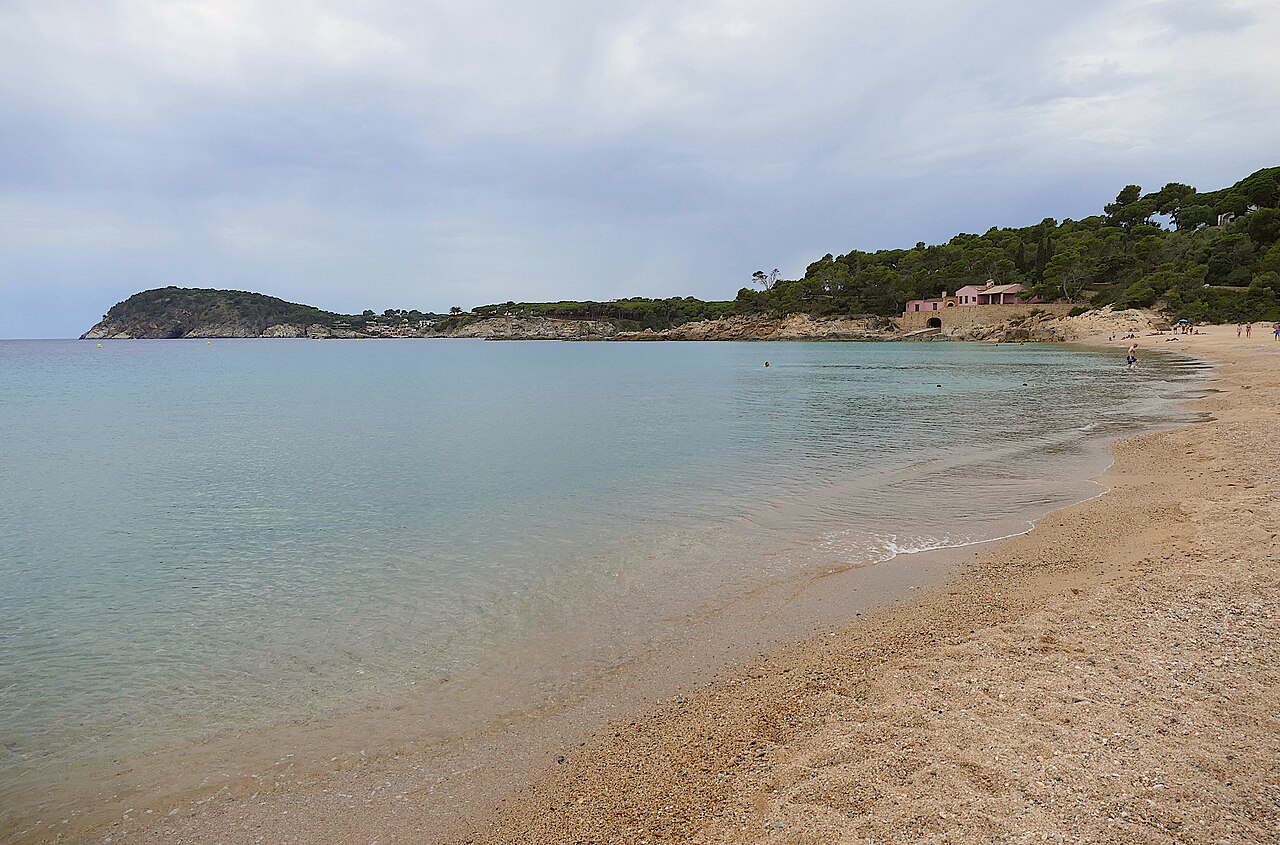
Platja de Castell, Palamós: The Beach a Town Voted to Save
In 1994 the town of Palamós voted on whether to build on Platja de Castell, and said no. A guide to the last large undeveloped beach on the Costa Brava, its Iberian settlement and the walk in from La Fosca.
-
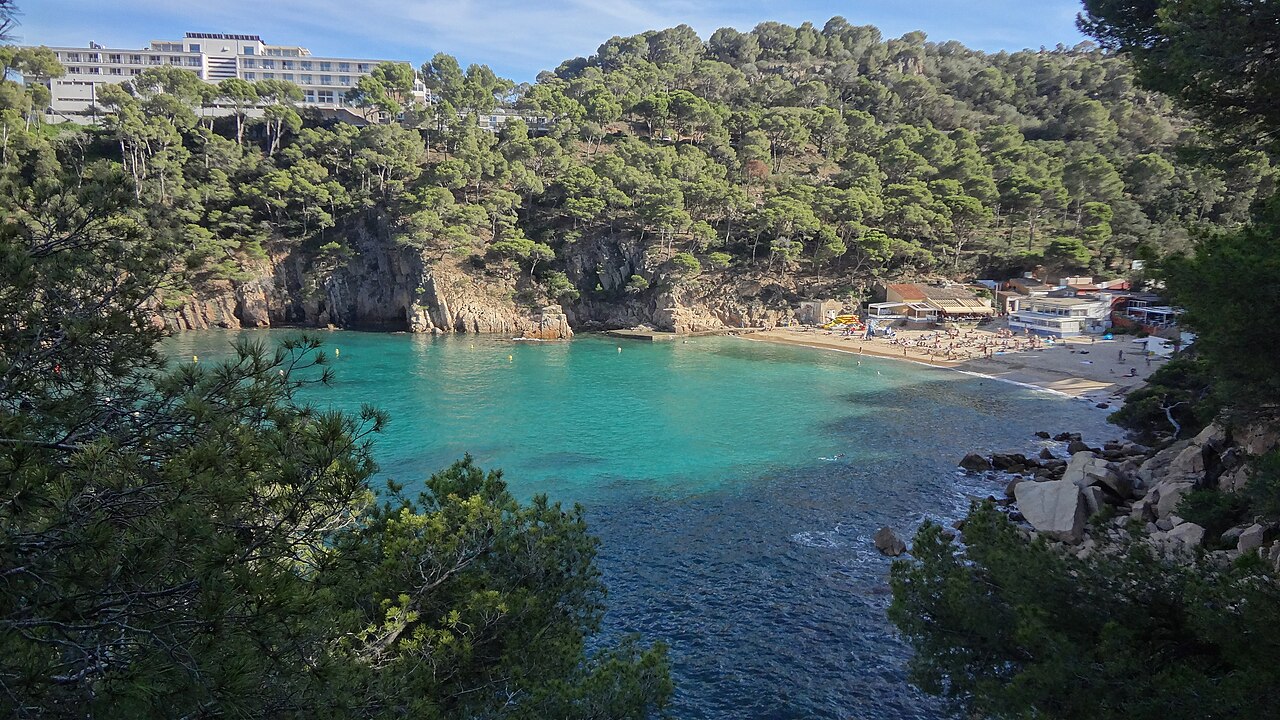
Platja d’Aiguablava, Begur: A 2,300-Year-Old Anchorage Facing Northeast
Aiguablava has been a working anchorage since the third century BC, and the Roman cargo on its seabed is close enough to reach with a snorkel. A guide to the cove, the archaeology and the shuttle bus.
-
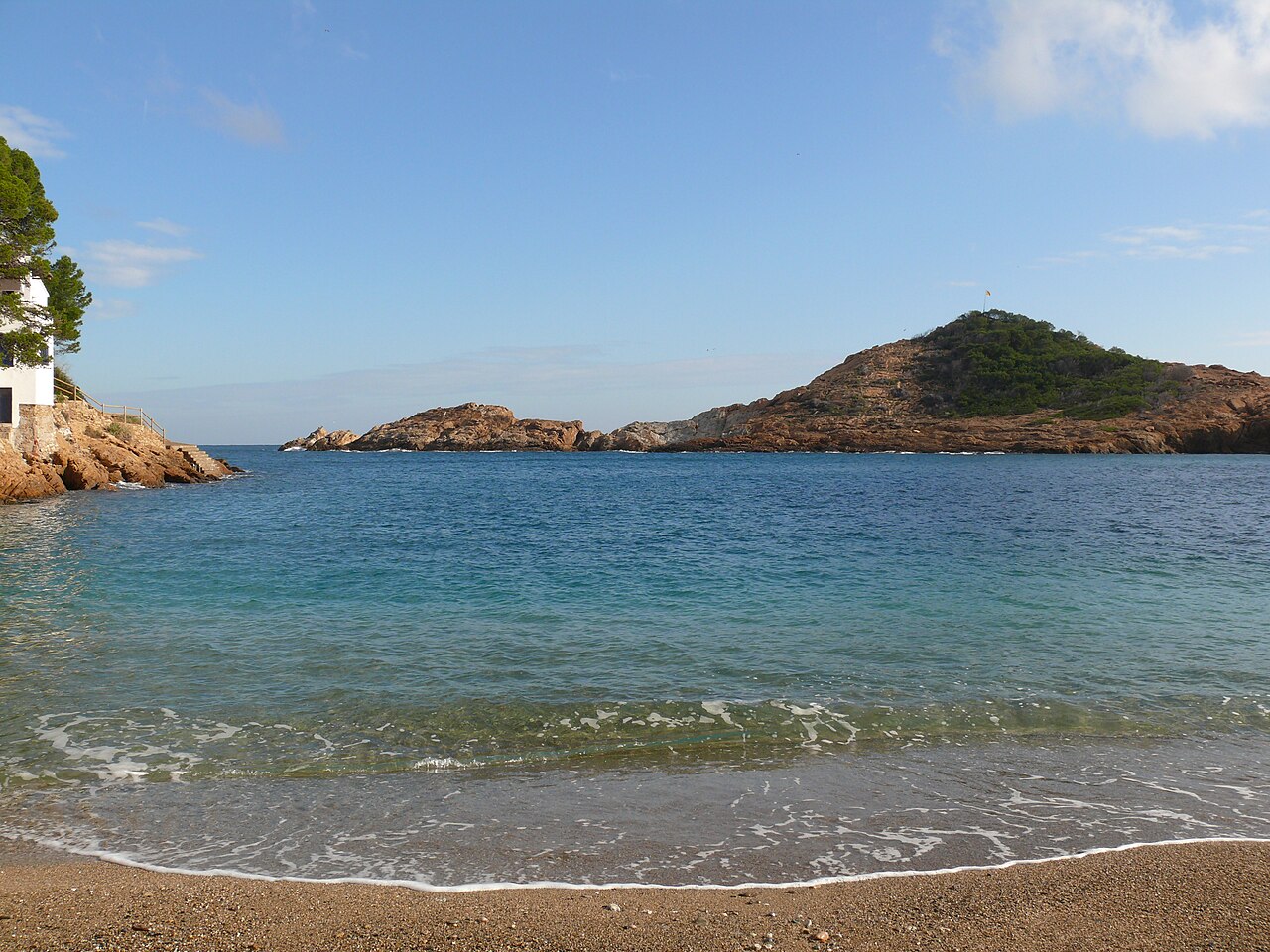
Cala Sa Tuna, Begur: The Cove the Village Walked Down To
Begur’s fishermen used to walk down to Sa Tuna to reach their boats, and the path is still signposted. A guide to the cove, the cave where habaneres are sung, and why the wind decides your day.
-
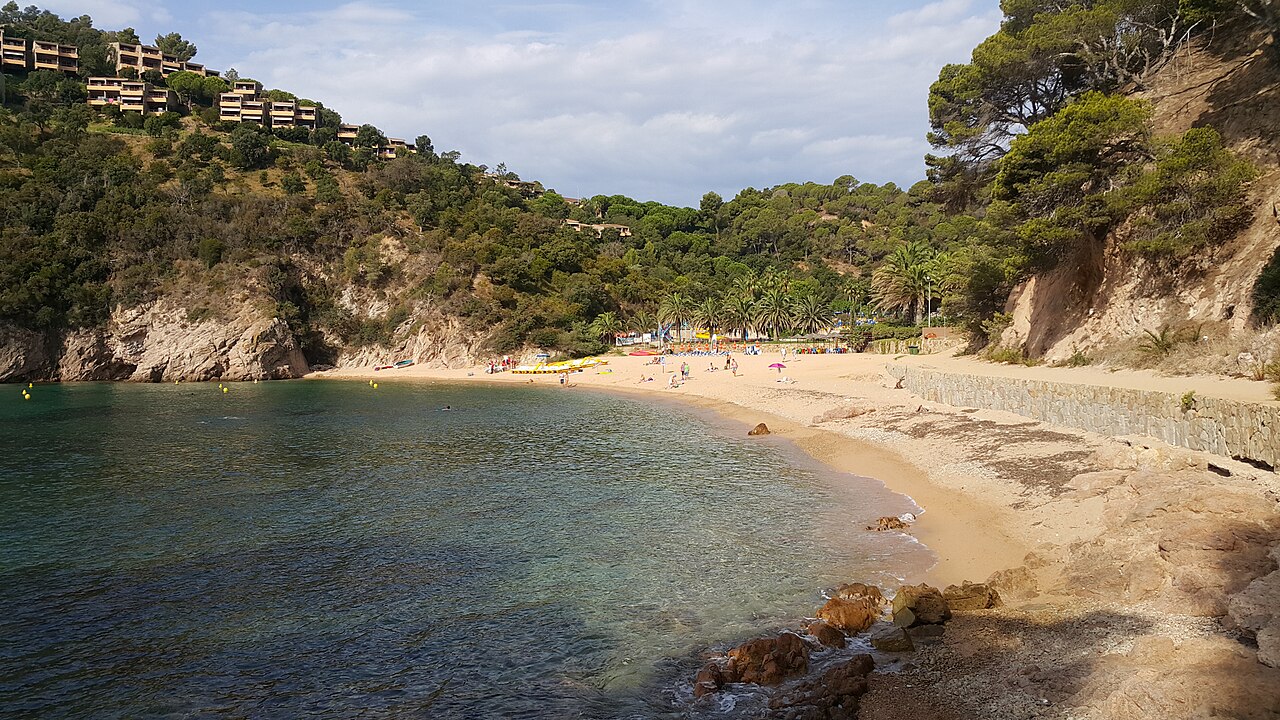
Cala Giverola, Tossa de Mar: The Complete Guide to a Cove in Two Halves
Cala Giverola is two coves, not one: two hundred metres of busy sand, and a tunnel through the rock to the quiet inlet almost nobody uses. What to expect from both, and when to swim.
-
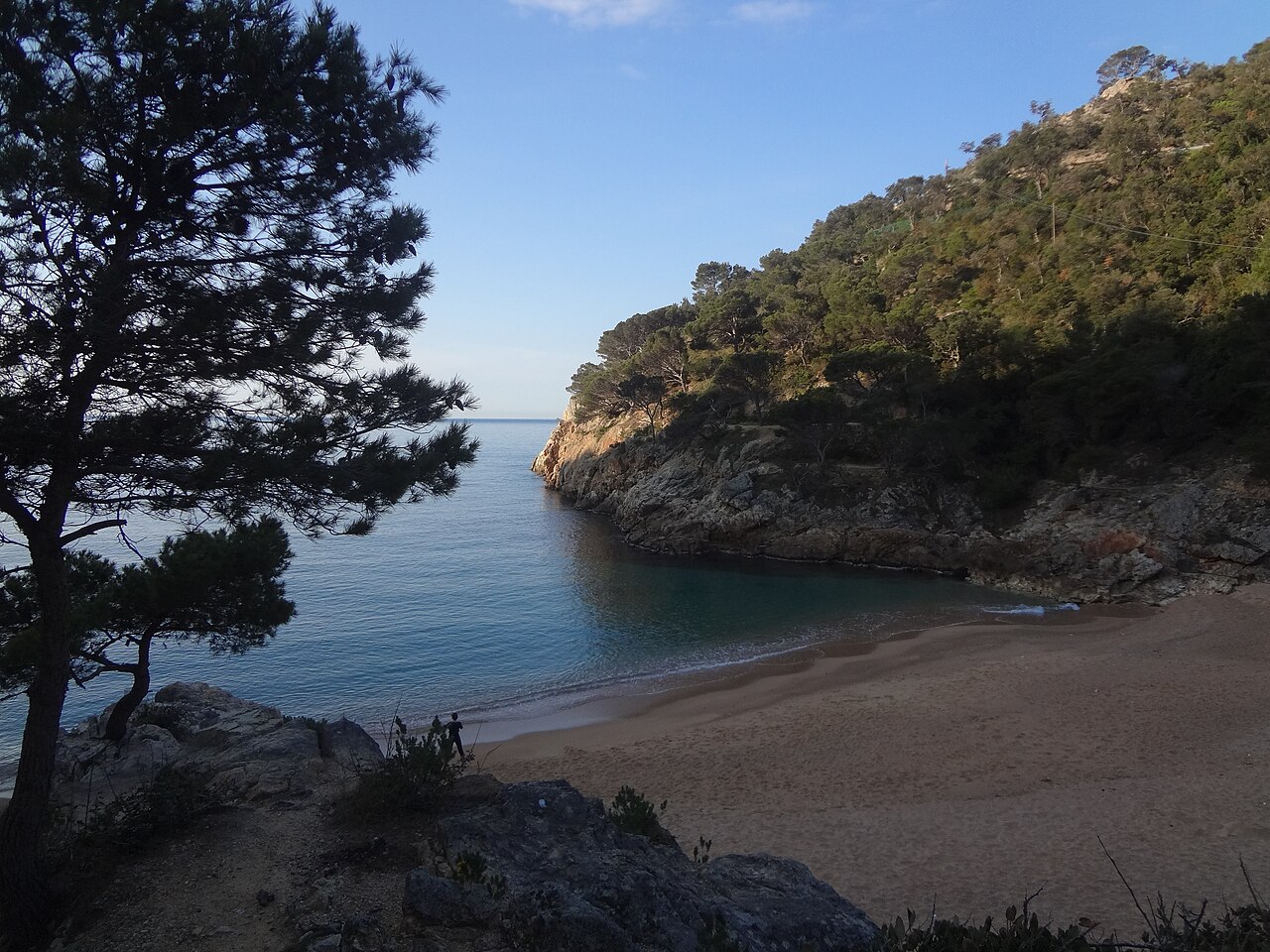
Cala Pola, Tossa de Mar: The Cove Behind the Campsite
Cala Pola is the only cove in Tossa de Mar with a campsite sitting on it. The sand is public, the way in is not — here is how that changes the visit, and the three ways to arrive.