Alicante
Alicante is really two coastlines. North of the city, in the Marina Alta, pine-covered cliffs drop into pebble coves so clear they look retouched, with sea caves cut by centuries of stonecutters and watchtowers built against pirates. South of it, long golden beaches roll out behind protected dune systems, easy to reach and built for a full day. Between them sits Tabarca, the only inhabited island on this coast and home to Spain’s first marine reserve. These guides cover access, parking, the summer barrier systems that close several coves once they fill, and what the ground under your feet is actually made of.
-
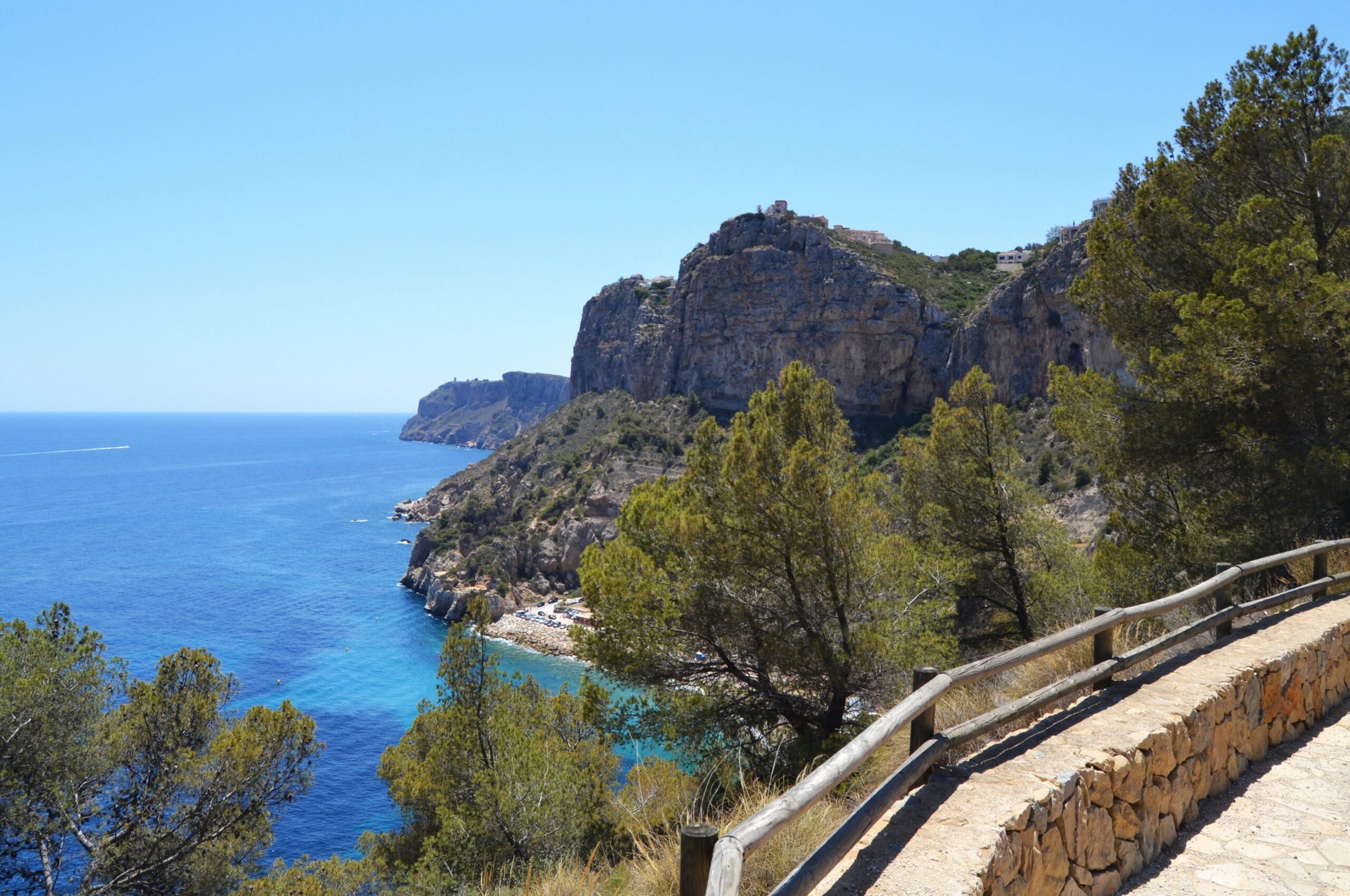
Cala del Moraig, Benitatxell: The Complete Guide to Alicante’s Hidden Cove
A cove with no road to it, no sand, and a sea cave where a freshwater river emerges from under the cliffs to meet the Mediterranean. Why Benitatxell charges you to park, what the reservation rule actually requires, and the shuttle bus we could not confirm exists.
-
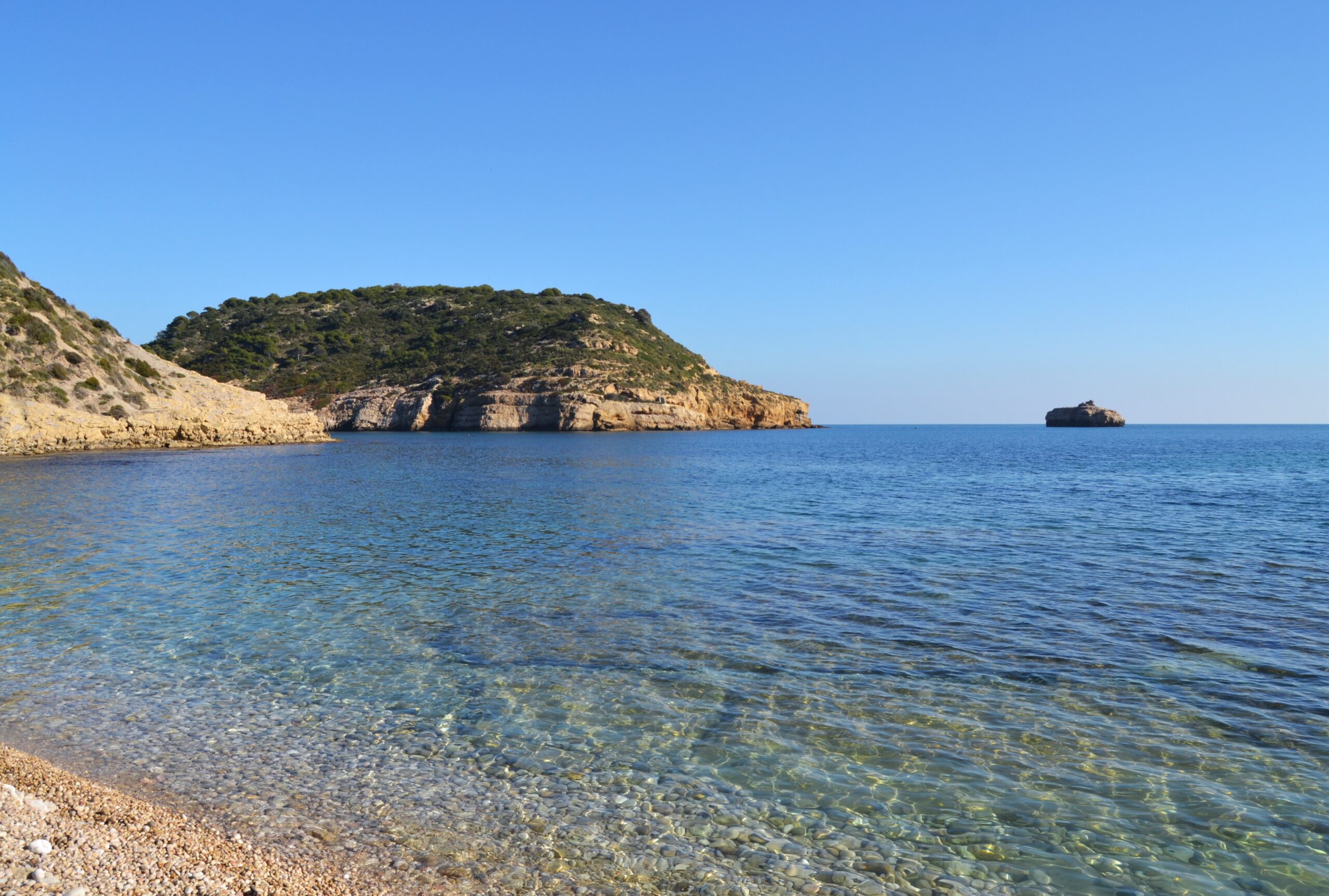
Cala del Portitxol, Jávea: The Complete Guide to a Cove With a Roman Treasure Under It
Everyone comes for the blue door. In 2021 two snorkellers found eight Roman gold coins in a crack near the island, and 53 were eventually recovered — one of the largest hoards in Europe. The bay also holds over a hundred ancient anchors.
-
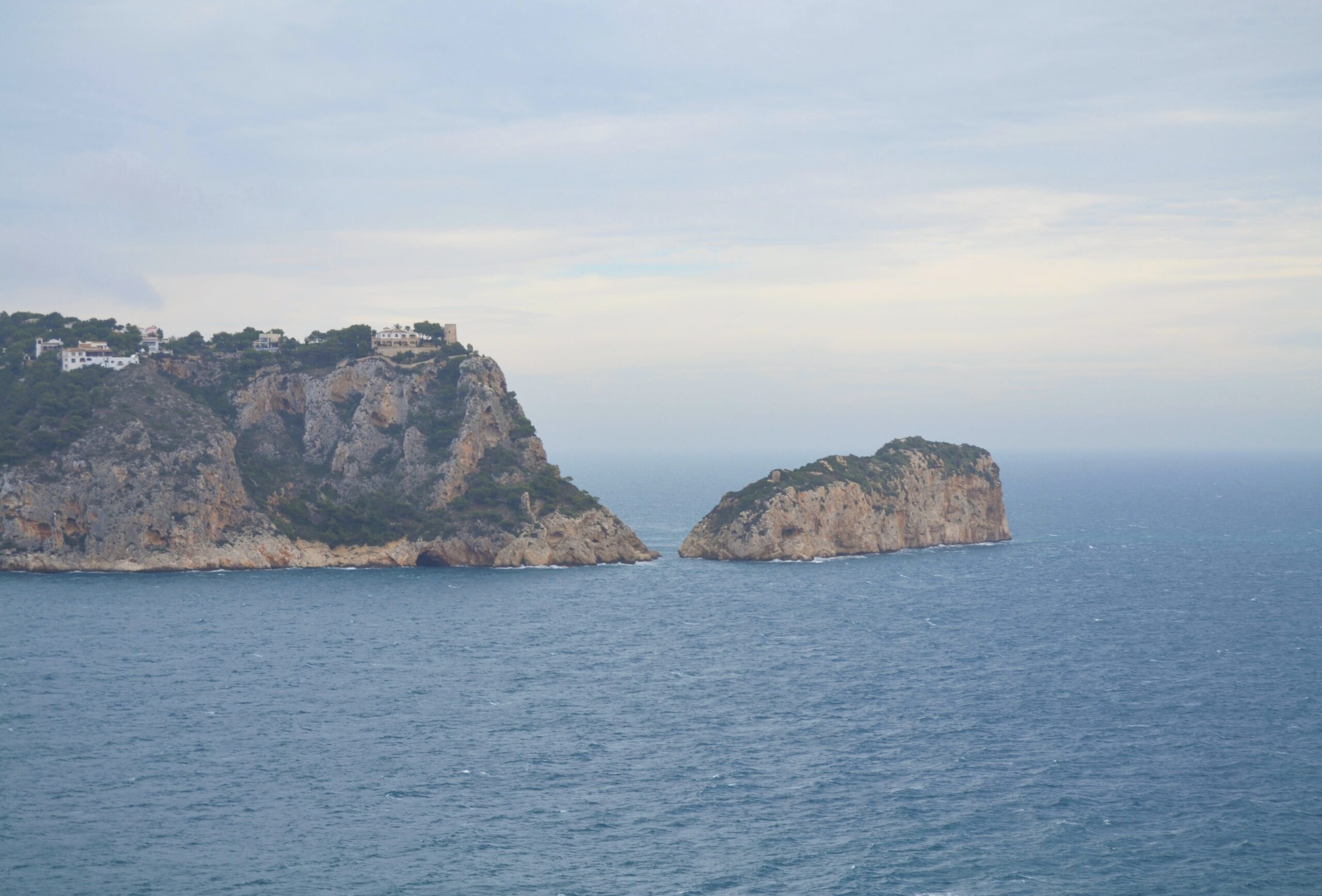
Cala Ambolo, Jávea: A Guide to a Beach You Are Not Allowed to Visit (2026)
Cala Ambolo has been closed for close to twenty years and remains closed in 2026. What the council actually says, why the gate and the guard have not stopped anyone, why arriving by kayak is not a loophole, and where to swim instead.
-
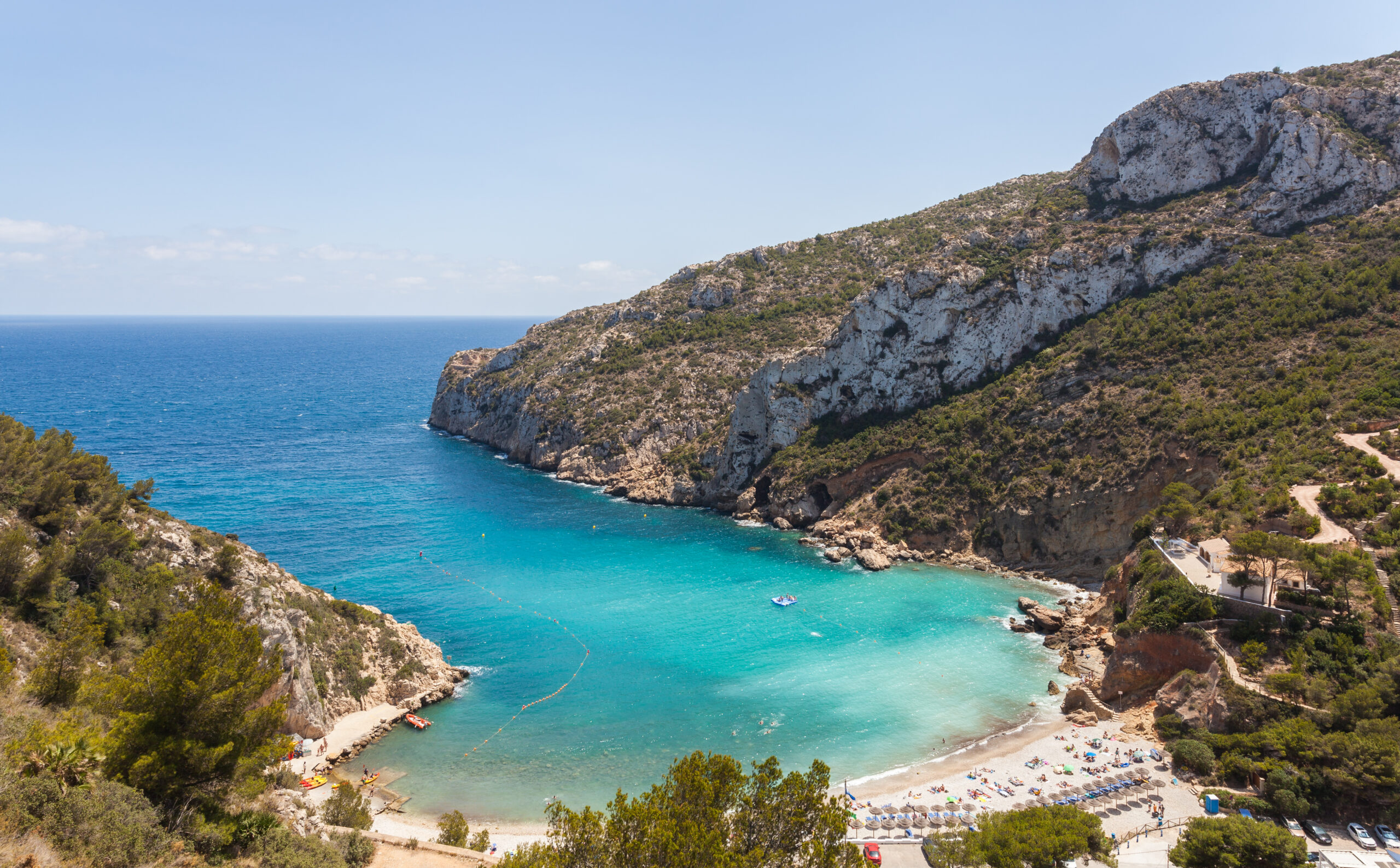
Cala de la Granadella, Jávea: 130 Parking Spaces and a Barrier That Counts
Xàbia counts the cars going into Granadella and shuts a barrier when the 130 spaces are gone. The 2026 access dates, the €9 charge, the road train timetable, and the 1739 fort on the headland that once did the same job.