Not every great beach in Alicante requires a steep walk down a cliff or a parking reservation booked weeks in advance. Playa de San Juan is the opposite kind of beach entirely: a long, wide, golden stretch of sand running right behind the city of Alicante, fully urbanized, served by tram, and equipped with everything from beach volleyball courts to children’s play areas. It is the beach locals actually use on a regular Tuesday afternoon, not just a postcard destination for a single day trip. If you are looking for something quieter and more secluded instead, our guides to Cala de la Granadella and Cala del Moraig cover two very different, gravel-bottomed coves further up the coast, while another long sandy stretch south of the city, Playa del Carabassí in Elche, offers a wilder, dune-backed alternative.
This guide covers what Playa de San Juan is actually like, the best things to do along its many kilometers of sand, how to get there by tram, bus, or car, where to eat and stay nearby, and when to visit if you want to avoid the densest summer crowds.
Where Is Playa de San Juan?
Playa de San Juan sits along the northeastern edge of the city of Alicante, in the Valencian Community, roughly 7 to 10 kilometers from the historic city center. Despite the name, the beach has no administrative connection to the inland town of San Juan de Alicante; it actually takes its name from that nearby municipality even though San Juan itself has no coastline of its own.
The beach forms part of one continuous 6.2-kilometer stretch of sand that runs from Cabo de las Huertas in the south to the municipal boundary with El Campello in the north. The southern, Alicante-administered section (about 2.9 km) is officially Playa de San Juan; the northern section belongs to El Campello and is known as Playa de Muchavista. For most practical purposes, visitors treat the whole stretch as a single long urban beach.
What the Beach Is Actually Like
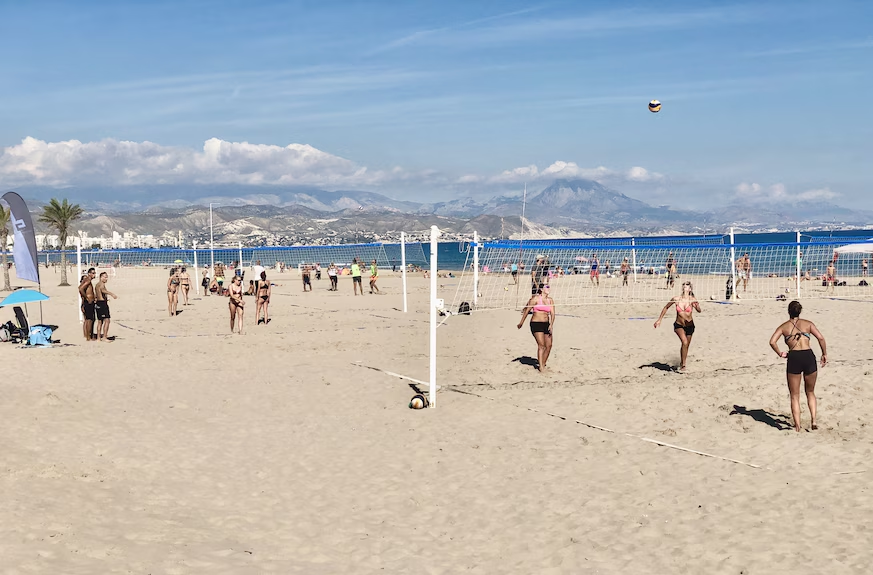
Playa de San Juan is defined by scale. It is one of the longest and widest urban beaches in Spain, with golden, fine sand and a width that reaches up to 100 meters in places. The water is shallow and calm close to shore, which, combined with the gentle slope of the seabed, makes it particularly well suited to families with young children.
Unlike the secluded gravel coves further north in Jávea and Benitatxell, this is a fully developed urban beach: a long tree-lined promenade runs behind the sand, lined with apartment buildings, restaurants, and bars, and the beach itself is broken up into named sections by numbered access points along the promenade. The beach has held Blue Flag status for decades and remains one of four Alicante beaches (alongside El Postiguet, Urbanova, and the island of Tabarca) to carry the distinction in recent seasons, a credential you can verify directly on the Ayuntamiento de Alicante’s official beaches page.
Things to Do at Playa de San Juan
Beach Sports
San Juan is genuinely set up for sport. The beach has around 20 volleyball courts spread along its length, along with outdoor biosaludable (calisthenics-style) fitness stations, and stretches of sand wide enough for casual football games. Beach soccer and volleyball are both easy to join informally, especially in the early evening when locals come down after work.
Windsurfing and Water Sports
The open, shallow waters here are popular for windsurfing, and several operators along the beach, such as Energy Active Club, offer lessons and equipment rental for windsurfing, paddleboarding, and similar activities.
Golf at Alicante Golf Course
Less than 15 minutes’ walk from the sand, the Alicante Golf course, designed by Severiano Ballesteros and opened in 1998, sits right behind the beach near Cabo de las Huertas. It’s a notable option for travelers who want to combine a beach trip with a round of golf without leaving the area.
Promenade Walking and Cycling
The tree-lined Paseo de Niza promenade running behind the beach is ideal for an early morning or evening walk, run, or bike ride, well shaded by tall palms and lined with cafés for a coffee stop.
Children’s Play Areas
Several sections of the beach include dedicated play areas with swings, mini goals, and climbing structures, making this one of the more practical choices in the Alicante area for a full family day at the beach.
Beach Characteristics at a Glance
- Type of shore: Fine, golden sand
- Length: Approximately 2.9 km within Alicante’s municipal boundary (continuing into Playa de Muchavista in El Campello)
- Width: Up to 100 meters in places
- Water: Shallow and calm close to shore, gentle slope
- Blue Flag status: Awarded in recent seasons, one of four current Blue Flag beaches in the city of Alicante
- Occupancy level: High in summer, but the length of the beach spreads crowds out considerably compared with smaller coves
- Accessibility: Generally accessible, with ramps and adapted access at several points along the promenade
How to Get to Playa de San Juan
By Tram (TRAM Metropolitano de Alicante)
This is the easiest and most popular way to reach the beach without a car. Line 4 runs directly from Luceros, in the heart of Alicante, out to the Playa de San Juan loop, stopping at Av. Benidorm, Londres, and Plaza de la Coruña, all close to the sand. The journey takes around 28 minutes. Line 3 also serves the area with stops at Costa Blanca and Carrabiners, continuing on toward Muchavista in El Campello. Line 5 connects directly from Playa del Postiguet, in the old town, out to the same San Juan loop, which is convenient if you are staying closer to the city center.
By Bus
Several urban and intercity bus lines serve the area, including lines 09, 21, 22, 28, and the night lines 21N and 22N, with the closest stops generally a 5 to 15 minute walk from the sand depending on the exact section of beach.
By Car
Playa de San Juan is well connected by road, and there are designated public parking areas behind the promenade for a small fee. Finding a spot in peak summer can still take patience, especially on weekends, so arriving earlier in the day is advisable.
Map
Where to Eat Near Playa de San Juan
Unlike the more remote coves of the Marina Alta, San Juan has no shortage of dining options. The promenade itself is lined with cafés, beach bars, and restaurants open from morning through late at night, serving everything from casual tapas to full seafood menus. For something more polished, the restaurant at the nearby Alicante Golf course is known locally for its rice and seafood dishes in the regional style. Given the sheer number of options directly on the beachfront, this is one of the easiest beaches on this list for finding a meal without planning ahead.
Where to Stay Near Playa de San Juan
The neighborhood directly behind the beach is built up with hotels, apartment blocks, and vacation rentals aimed squarely at beach tourism, making it one of the most convenient bases on this part of the coast. Options range from straightforward beachfront hotels to longer-term apartment rentals for families. For travelers who want easier access to Alicante’s old town, the Castillo de Santa Bárbara, and the city’s restaurant scene, staying closer to the center and taking the tram out to the beach is also a practical option, given the short, direct connection.
Best Time of Year to Visit
Summer (June through August) is by far the busiest period, particularly around the Noche de San Juan on June 23–24, when the beach and surrounding area fill with crowds for the summer solstice celebrations (note that, unlike some other towns in the province, open bonfires directly on the sand are prohibited within the Alicante municipal boundary). Outside of this peak, late spring and early autumn offer warm water with noticeably thinner crowds, while the beach’s sheer length means it never feels as overwhelmed as some of the smaller coves further along the coast, even in August.
| Month | Water Temp (approx.) | Crowd Level | Best For |
|---|---|---|---|
| April–May | 18–20°C | Low | Walking, cycling, quiet sunbathing |
| June | 22–24°C | High (esp. June 23–24) | Noche de San Juan, beach sports |
| July–August | 26–27°C | Very High | Full beach day, water sports |
| September | 24–25°C | Moderate | Warm water, fewer crowds |
| October | 22–24°C | Low | Promenade walks, mild swimming |
| November–March | 14–17°C | Very Low | Promenade walks, golf |
Services and Facilities
- Lifeguard service in season
- Public restrooms and showers along the promenade
- Sunbed and umbrella rental at multiple points
- Around 20 beach volleyball courts and biosaludable fitness stations
- Children’s play areas at several access points
- Windsurfing and water sports equipment rental
- Public parking areas behind the beach
- Direct tram access (Lines 3, 4, and 5)
Practical Tips for Visiting Playa de San Juan
- Take the tram instead of driving in summer. Lines 3, 4, and 5 all reach the beach directly, and it avoids the parking search entirely.
- Walk a little further from the main access points. Given the beach’s length, moving just a few hundred meters from the busiest tram stops often means noticeably more space.
- Budget for sunbed rental if you want one. Two sunbeds and an umbrella typically run in the range of €20–25 per day in peak season.
- Avoid driving into the area on the night of June 23–24. Road closures and heavy pedestrian traffic make the tram or night bus lines a far more reliable option for the Noche de San Juan.
- Bring sun protection for the shadeless sand. While the promenade is shaded by palms, the beach itself offers little natural shade away from rented umbrellas.
Frequently Asked Questions
Is Playa de San Juan good for families with young children?
Yes. The shallow, gentle water, soft sand, and dedicated children’s play areas make it one of the more practical family beaches in the Alicante area.
Can you light bonfires on Playa de San Juan for Noche de San Juan?
No. Open fires are prohibited on all beaches within the city of Alicante’s municipal boundary, including Playa de San Juan, though the celebration itself remains lively along the sand and promenade.
Is there free parking at Playa de San Juan?
There are paid public parking areas behind the promenade. Free street parking exists further from the beach but becomes scarce in peak summer, particularly on weekends.
What is the easiest way to reach Playa de San Juan without a car?
The TRAM Metropolitano de Alicante is the most direct option, with Lines 3, 4, and 5 all serving stops within easy walking distance of the sand from the city center.
This article is provided for general informational purposes only and does not constitute professional, legal, safety, or travel advice. Beach conditions, public transport schedules, parking availability, and local regulations such as bonfire restrictions can change without notice; always check official sources, including the Ayuntamiento de Alicante and TRAM Metropolitano de Alicante, before planning your visit. Always follow posted safety guidance and lifeguard instructions where available.
Leave a Reply